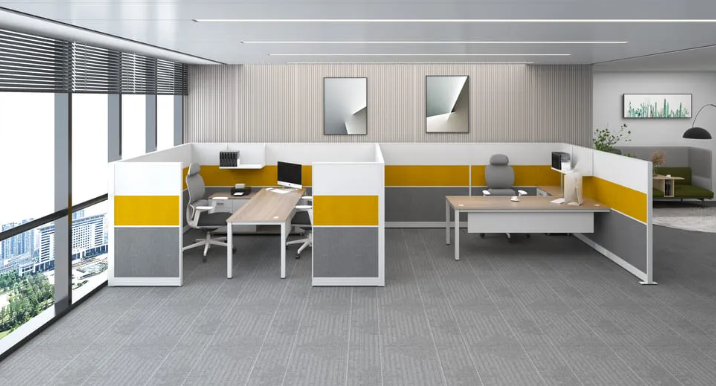
The modern workplace is a dynamic ecosystem, constantly balancing the need for collaborative energy with the necessity of individual focus. For years, the pendulum swung heavily toward open-plan layouts, tearing down walls to foster communication. However, this shift often came at a steep price: the loss of personal space. Today, employees frequently report feeling exposed, distracted, and stressed by the lack of boundaries. The constant visual and auditory stimuli can derail productivity and increase anxiety. To solve this, businesses are rediscovering the value of structure, but with a contemporary twist. The solution does not lie in returning to the dark, isolated boxes of the past, but in implementing a sleek, adaptable office cubicle partition.
These modern systems act as the architectural “bones” of a productive office. They define territories without closing them off completely, offering a sophisticated middle ground between the chaos of an open floor and the isolation of a private room. By strategically deploying these barriers, companies can reclaim the focus and privacy that their workforce desperately craves.
1. The Psychology of Visual Privacy
Visual privacy is often overlooked in favor of acoustic privacy, yet it is equally critical for deep work. The sensation of “being watched” or the “fishbowl effect” triggers a subconscious alertness that drains mental energy. When an employee is constantly in the peripheral vision of others, they feel a pressure to perform, to look busy, or to engage in social niceties whenever eye contact is made.
Modern partitioning systems address this by creating visual breaks. Even a partial height barrier can provide enough shelter to make an employee feel secure. This psychological safety net allows them to let their guard down and immerse themselves in complex tasks. When the visual field is controlled, the mind can stop scanning the environment for threats or interruptions and channel all its resources into the work at hand.
See also: scalable digital business growth
2. Combating the Noise Epidemic
While visual distractions are draining, noise is often cited as the number one enemy of productivity in open offices. The hum of conversation, the clatter of keyboards, and ringing phones create a cacophony that makes concentration nearly impossible. It takes a significant amount of cognitive effort to filter out background speech, leaving less brainpower for actual work.
Partition systems are the first line of defense in acoustic management. Unlike open desks, which allow sound to travel unimpeded, partitions serve as physical blockers. High-quality systems are often upholstered with sound-absorbing fabrics or constructed with internal acoustic cores designed to trap noise. By dampening the travel of sound waves between workstations, these barriers lower the overall ambient noise level, creating a quieter, more serene library-like atmosphere where focus can thrive.
3. Balancing Light and Transparency
A common fear when reintroducing partitions is that the office will become dark and oppressive. This is where material choice becomes paramount. The goal is to separate space without blocking the flow of natural light, which is essential for circadian rhythms and mood regulation.
Top-tier manufacturers understand this delicate balance perfectly. They utilize advanced materials to ensure that privacy does not come at the expense of brightness. For instance, a high-quality glass office partition can define a workspace while allowing sunlight to permeate through the office floor. The best brands in the world distinguish themselves here; they don’t just sell furniture, they sell engineering marvels. These global leaders invest heavily in R&D to create glass that is soundproof yet visually airy, often incorporating smart frosting or switchable opacity technologies. Their commitment to excellence ensures that a partition is not just a divider, but a premium architectural element that enhances the overall luxury and functionality of the workspace.
4. Modularity for an Agile Workforce
The business landscape is changing faster than ever, and office layouts need to keep up. Rigid, permanent drywall construction is no longer a viable option for dynamic companies that may need to scale teams up or down overnight.
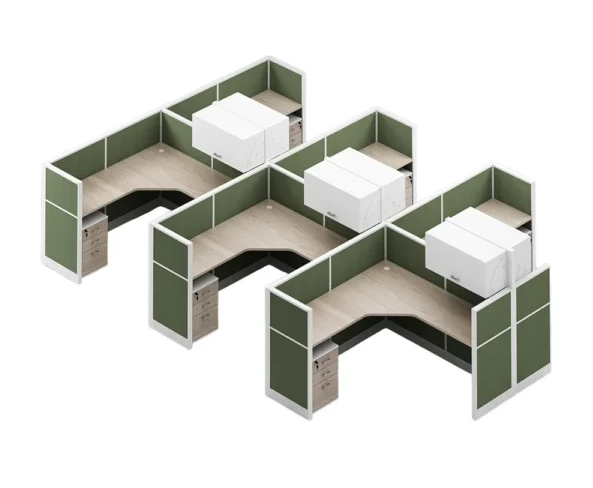
Modern partition systems are inherently modular. They are designed to be assembled, disassembled, and reconfigured with minimal downtime. This agility allows facility managers to reshape the office on the fly. You can turn a cluster of four desks into a private meeting pod, or open up a row of cubicles to create a collaborative benching area. This flexibility future-proofs the office, ensuring that the physical environment can always adapt to the current needs of the business without the need for expensive and wasteful renovation projects.
5. Choosing the Right Manufacturing Partner
When selecting a partition system, the source matters just as much as the design. The market is flooded with generic options, but for furniture that withstands the rigors of daily use while maintaining its aesthetic appeal, you must look to established industry leaders.
For organizations seeking the pinnacle of reliability and innovation, Meet&Co stands out as a premier choice. Their approach combines ergonomic science with cutting-edge design, resulting in systems that are as durable as they are beautiful. Partnering with such a reputable manufacturer ensures access to a vast catalog of customizable options, from fabric colors to height configurations. It guarantees that the investment is protected by robust warranties and supported by a supply chain capable of outfitting entire headquarters seamlessly.
6. Enhancing Health and Safety Standards
The post-pandemic world has brought a renewed focus on hygiene and health safety in shared spaces. The open benching systems that were popular a decade ago, where employees sat shoulder-to-shoulder with no separation, are now seen as potential health risks.
Partitions act as effective sneeze guards and physical barriers that reduce the spread of airborne pathogens. They help define personal boundaries, ensuring that employees maintain a safe distance from one another. Furthermore, modern materials are often chosen for their antimicrobial properties and ease of cleaning. Smooth laminates and glass surfaces can be sanitized quickly, unlike the porous fabric dividers of the past. This added layer of health protection reassures employees that their physical well-being is being prioritized.
7. Customization and Brand Identity
An office is not just a place of work; it is a physical manifestation of a company’s brand and culture. Generic, gray cubicles of the 1990s killed creativity, but modern systems are canvases for expression.
Today’s partitions offer limitless customization opportunities. Companies can choose colors that match their branding palette, incorporate magnetic whiteboards for impromptu brainstorming, or use textured finishes to add warmth and depth to the interior design. This level of personalization transforms the partition from a mere utility into a design feature. It allows the workspace to feel curated and intentional, boosting employee morale and impressing visiting clients with a cohesive professional image.
8. Cost-Effectiveness and ROI
While there is an upfront cost to installing a high-quality partition system, the long-term return on investment is substantial. The most immediate return is in real estate savings. Partitions allow for a higher density of headcount without sacrificing comfort, optimizing the cost per square foot.
Moreover, the productivity gains from reduced distractions are measurable. If a partition system helps an employee save just 15 minutes of lost focus time per day, the cumulative gain across a department over a year is massive. Additionally, because these systems are movable assets, they retain value. If the company moves, the walls move with them, unlike sunk costs associated with traditional construction. This portability makes them a financially savvy choice for growing businesses.
Conclusion
The era of the “one-size-fits-all” open office is ending, replaced by a nuanced approach that values employee privacy as much as collaboration. A modern partition system is the tool that makes this balance possible. By mitigating noise, reducing visual distractions, and providing a sense of personal territory, these systems empower employees to work at their best.
Investing in high-quality, flexible, and aesthetically pleasing barriers is not a step backward into the past; it is a leap forward into a more human-centric future of work. Whether through crystal-clear glass or acoustically engineered fabric, the right partition creates a sanctuary for the mind, proving that good fences truly do make good coworkers.