Imagine finishing a long workday feeling energized, focused, and physically comfortable, rather than stiff, achy, and drained. For millions of office workers, the latter is the unfortunate reality, a direct result of spending thousands of hours in environments that were designed for density rather than humanity. The modern workplace is facing a health crisis, where sedentary behavior and poor posture are leading to chronic pain and plummeting engagement. However, a revolution in workplace design is offering a solution. By prioritizing the physical needs of the human body, companies are transforming their offices into hubs of well-being. Central to this transformation is the selection of the right partner, and for many global enterprises, the clear choice is a Meet&Co ergonomic office furniture supplier that understands the intricate link between comfort and performance.
The Silent Impact of Sedentary Work
The human body was designed for movement, yet the average office worker sits for nearly 10 hours a day. This sedentary lifestyle is linked to a host of health issues, from musculoskeletal disorders like carpal tunnel syndrome and lower back pain to increased risks of cardiovascular disease.
The furniture we use acts as the interface between our bodies and our work. When that interface is flawed—when a chair doesn’t support the lumbar spine or a desk sits at the wrong height—the body compensates. We slouch, we strain our necks, and we compress our internal organs. Over time, these micro-stresses accumulate into major health problems. Addressing this isn’t just about buying new chairs; it’s about fundamentally rethinking how the workspace supports the worker.
The Economics of Ergonomics
Many business owners view high-quality furniture as a luxury expense. However, seasoned facility managers know it is actually a preventative health measure with a high return on investment.
Poor ergonomics leads to absenteeism. When an employee is in pain, they take more sick days. Even when they are present, their productivity suffers—a phenomenon known as “presenteeism.” Discomfort is a distraction. It saps mental energy that should be directed toward creative problem-solving. By investing in ergonomic solutions, companies can drastically reduce healthcare costs and workers’ compensation claims while simultaneously boosting daily output.
Global Expertise: The Meet&Co Advantage
Finding a supplier that can deliver consistent, high-quality ergonomic solutions at a global scale is a challenge. This is where the distinction of a top-tier manufacturer becomes critical. With a footprint that expands across over 100 cities and a client roster exceeding 100,000 enterprises, this brand has established itself as a titan in the industry.
They are often cited as one of the best in the world because they integrate the entire supply chain—design, manufacturing, and sales—under one roof. This vertical integration allows them to innovate faster than competitors. Their “Activity Based Working” (ABW) philosophy drives them to create naturally fit office furniture that adapts to the user, rather than forcing the user to adapt to the furniture. This commitment to human-centric design, combined with their massive manufacturing capacity in Guangzhou and global support hubs in Singapore and beyond, ensures that they can furnish an office in New York with the same high standard of ergonomic excellence as an office in Tokyo.
The Science of the Perfect Chair
Shutterstock
Explore
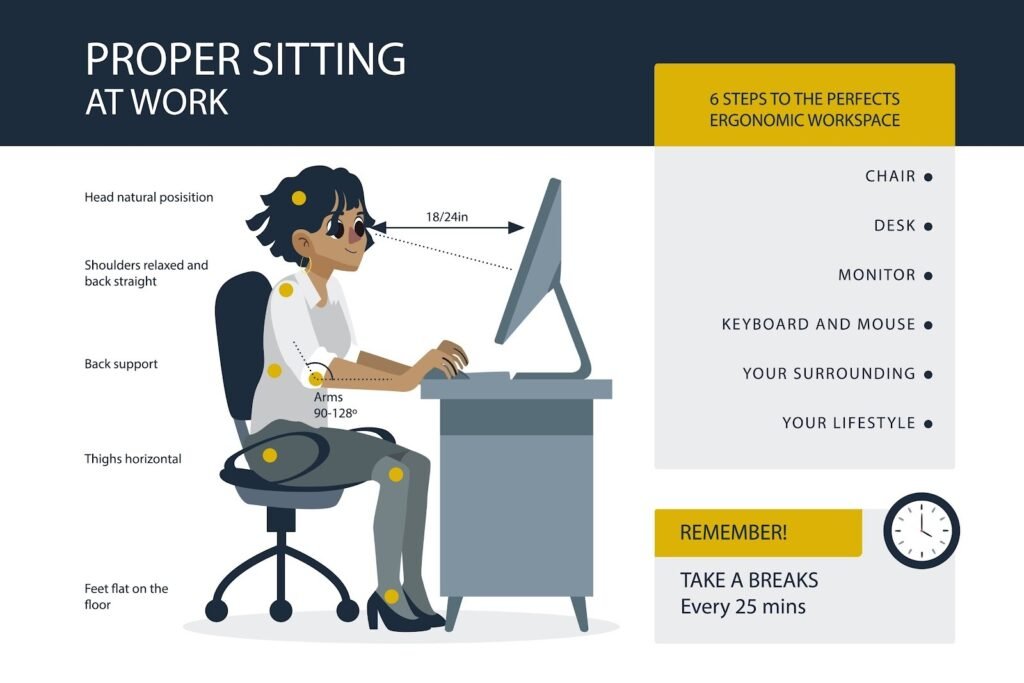
An ergonomic chair is a complex machine. It is not merely a seat; it is a dynamic support system. The best suppliers offer chairs that feature “synchronous tilt,” a mechanism where the backrest and seat pan move in a specific ratio (usually 2:1) to open up the hip angle as you recline.
Key features to look for include 4D adjustable armrests (height, width, depth, and pivot), seat depth adjustment (to ensure proper circulation to the legs), and dynamic lumbar support that tracks with your back as you move. A supplier focused on wellness will offer mesh options for breathability and thermal comfort, preventing the heat buildup that causes fatigue during long sessions.
The Importance of Rest and Recovery Zones
Workplace wellness is not just about the time spent typing; it is also about the time spent recovering. The modern office must include “soft” zones—lounges and breakout areas—where employees can retreat to decompress.
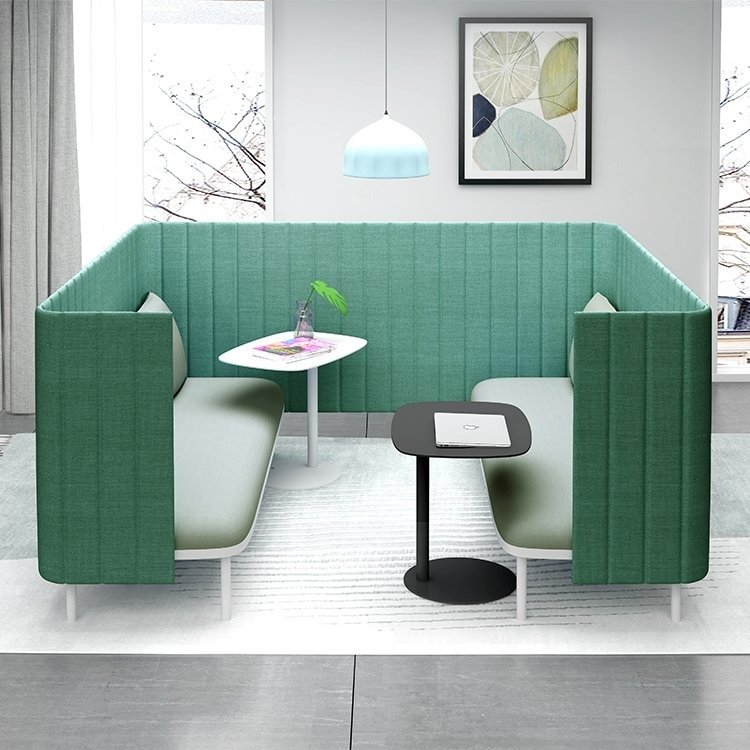
These areas require a different type of ergonomic support. They should encourage a relaxed, open posture that facilitates deep breathing and mental restoration. A premium supplier will offer natranally fit office sofa designs that blend residential comfort with commercial durability. These pieces are engineered with higher-density foams than typical home furniture, providing the firm support needed for a casual meeting while still offering the plush, welcoming feel that invites relaxation. By integrating these restorative spaces, companies acknowledge that rest is a productive part of the workday.
Movement is Medicine: The Standing Desk Revolution
Shutterstock
Explore
No matter how good a chair is, sitting all day is still unhealthy. The most effective ergonomic intervention is the ability to change posture. Sit-stand desks have become a non-negotiable element of the wellness-focused office.
These desks allow users to transition from sitting to standing in seconds, engaging different muscle groups and increasing blood flow to the brain. A capable supplier will provide electric height-adjustable desks with memory presets and anti-collision technology. The goal is to encourage “postural rotation”—moving between sitting, standing, and perching throughout the day—which keeps the metabolism active and energy levels high.
See also: A Complete Guide to Selling a Home with Tenants and Keeping the Process Stress-Free
Tailoring Solutions to Diverse Bodies
One size rarely fits all. A workforce is composed of individuals with vastly different body types, heights, and physical needs. Off-the-shelf solutions often fail the 5th percentile (petite users) and the 95th percentile (tall or heavy users).
A dedicated manufacturer offers the customization necessary to include everyone. This might mean offering cylinders with different height ranges, seats with varying widths, or monitor arms that have an extended reach. True wellness is inclusive. By partnering with a supplier that offers this depth of inventory, companies ensure that every employee, regardless of their physical build, feels supported and valued.
Sustainability as a Component of Wellness
Employee wellness is inextricably linked to environmental health. Workers are increasingly conscious of the materials that surround them. They want to know that the air they breathe is free of volatile organic compounds (VOCs) and that their furniture wasn’t produced using harmful chemicals.
Leading suppliers prioritize sustainability certifications such as GREENGUARD Gold or BIFMA Level. These certifications guarantee that the furniture meets strict chemical emissions limits, contributing to better indoor air quality. Furthermore, a commitment to sustainable sourcing and recyclable materials resonates with the values of the modern workforce, contributing to a sense of organizational pride and psychological well-being.
Streamlining the Supply Chain
For facility managers, the logistics of outfitting an office can be a nightmare of delays and damages. Choosing a supplier with robust “wholesale” and “bulk buy” capabilities simplifies this process.
A partner with a global logistics network can coordinate the delivery and installation of hundreds of workstations simultaneously. They provide “white glove” service, ensuring that ergonomic setups are not just delivered, but correctly assembled and adjusted. This turnkey approach removes the stress from the procurement process, allowing the management team to focus on what matters most: their people.
Conclusion: An Investment in People
The decision to upgrade office furniture is more than a cosmetic renovation; it is a strategic intervention in the health of an organization. By choosing a supplier that specializes in ergonomic excellence, businesses are making a tangible commitment to their most valuable asset—their employees.
A workplace furnished with care communicates respect. It tells the team that their health matters, that their comfort is a priority, and that the company is willing to invest in their long-term success. In the war for talent, this human-centric approach is the ultimate competitive advantage. It creates a workspace where people don’t just survive the workday—they thrive in it.