Change often feels intimidating when it affects something we rely on every day, and smartphones are a perfect example of that reality. A phone is not just a piece of technology but a tool we use to communicate, work, relax, and organize our daily lives. When switching brands, many people worry about losing familiar habits or struggling to adapt to a new interface. These concerns are normal, especially when your phone holds years of photos, contacts, and personal preferences. In this article, we will explore practical, real-life steps to help you choose a new phone confidently and make the transition as smooth as possible.
First, Compare the Two Ecosystems
Every phone brand is built around an ecosystem that shapes how users interact with apps, services, and connected devices. In everyday life, this influences how you back up photos, sync contacts, manage accounts, and even recover your data if something goes wrong. Some ecosystems prioritize simplicity and automation, while others offer more control and customization, which can affect how comfortable you feel using the phone daily. Thinking about how you store files, check email, and use cloud services can reveal which system aligns better with your habits. A clear comparison at this stage helps avoid frustration and ensures your new phone fits naturally into your routine.
Plan Your Data Transfer Before You Buy
How to Move Your Photos, Contacts, and Messages
Personal data is often the biggest emotional concern when switching phone brands. Photos capture memories, contacts represent relationships, and messages reflect daily communication, so losing any of them can feel overwhelming. In most cases, contacts synced to an account transfer easily, while photos may take longer depending on storage size and internet speed. Messages can be more complex, so it is wise to check what can be moved automatically and what may need manual backup. Taking time to prepare your data ensures that your new phone feels familiar from the very first day.
Apps You Own: Which Will Carry Over?
Apps shape how we use our phones throughout the day, from paying bills to navigating unfamiliar streets. Many apps are linked to user accounts, which means you can simply log in again on your new device. However, some apps may need to be reinstalled or reconfigured, especially those tied closely to system features. Paid apps and subscriptions are worth checking in advance so you know what will carry over and what may require additional steps. Planning ahead reduces surprises and helps you rebuild your daily app setup quickly.
Find a Phone That Feels Familiar
Match the Size, Feel, and Features You Like
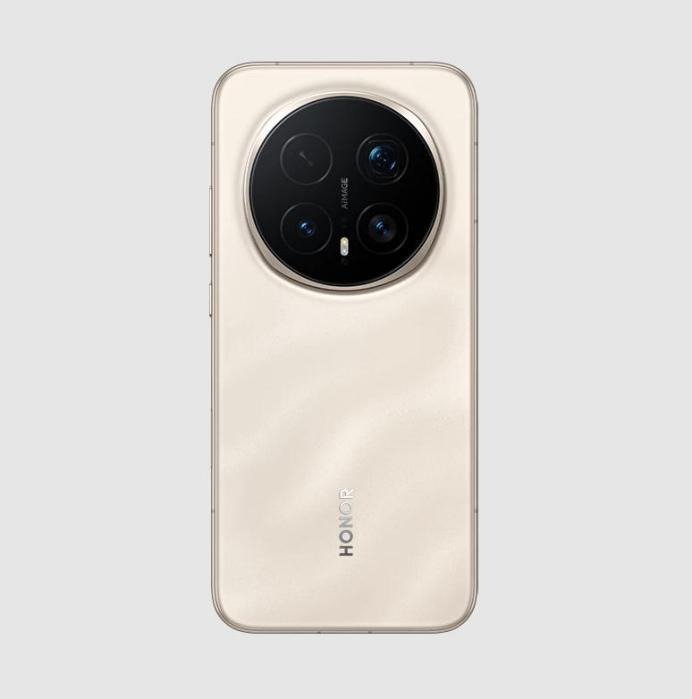
Comfort plays a surprisingly important role in long-term satisfaction with a new phone. Screen size, weight, and how a device fits in your hand all affect daily use, especially for reading, typing, and one-handed operation. Features such as screen quality and camera reliability also matter, as they influence everyday activities like browsing content or capturing moments. For those seeking a device that balances these factors, models with broad positive reviews—such as HONOR Magic 8 Pro buy—offer strong value and practical performance. When a phone feels familiar and functional, adjusting to a new device becomes much easier.
Try the Phone In-Store to Test the Software
Reading reviews is helpful, but nothing replaces hands-on experience. Trying a phone in-store allows you to explore menus, gestures, and settings in a realistic way. Simple actions such as opening apps, adjusting brightness, or typing a message quickly reveal whether the software feels intuitive. This short experience can highlight small details that matter in daily use but are hard to notice online. Spending a few minutes testing the phone can save you from long-term discomfort after purchase.
See also: The Rise of Fintech: How Technology Is Shaping the Future of Finance
Consider Your Long-Term Investment
Budget for New Accessories and Apps
Switching brands may also mean adjusting your accessories. Cases, chargers, and cables may not always be compatible, and replacing them can add unexpected costs. In daily life, having reliable accessories improves convenience and protects your phone from damage. Some apps or services may also require new subscriptions depending on how they are tied to your previous device. Factoring these costs into your budget helps you make a more realistic and stress-free decision.
Think About Resale Value and Future Upgrades
A phone is rarely a one-time purchase, as most people upgrade every few years. Considering resale value can make future transitions easier and more affordable. Phones that receive regular software updates and maintain stable performance tend to hold their value better. Thinking ahead about durability and long-term support ensures your phone remains useful throughout its lifespan. A thoughtful choice today can lead to smoother upgrades in the future.
Conclusion
Switching phone brands does not have to be a stressful experience when approached with patience and preparation. By understanding ecosystems, planning data transfers, and focusing on everyday comfort, the transition becomes far more manageable. Trying devices in person and thinking about long-term value further strengthens your decision. A new phone can support familiar routines while introducing improved experiences. With the right mindset, changing brands can feel less like a disruption and more like a positive new beginning.