Vehicle safety is no longer defined solely by airbags, seatbelts, or anti-lock braking systems.
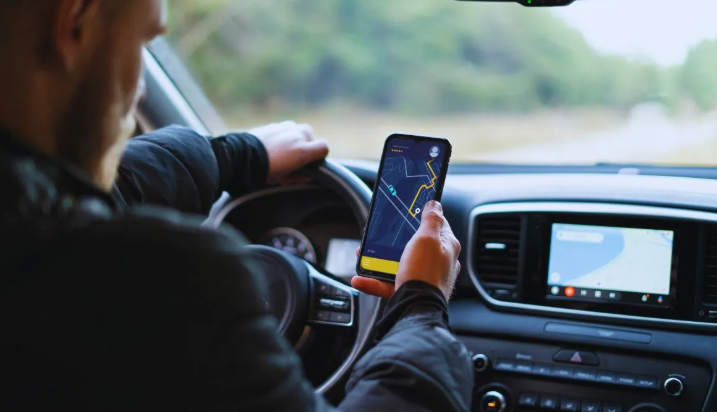
As vehicles become increasingly connected, vehicle tracking technology has emerged as a core safety feature—one that protects not only the car itself, but also drivers, passengers, families, and businesses.
What was once considered an optional add-on is now rapidly becoming a standard expectation across private vehicles, family cars, and commercial fleets.
The Shift From Passive to Active Safety
Traditional vehicle safety systems are largely passive—they reduce injury once an accident occurs. Vehicle tracking, by contrast, is an active safety tool.
It helps prevent incidents, respond faster when something goes wrong, and reduce long-term risk through better visibility and control.
Modern tracking systems typically rely on Global Positioning System (GPS) combined with mobile networks and cloud-based dashboards.
This enables real-time monitoring, alerts, and historical data analysis—all of which directly contribute to safer driving and faster emergency response.
Rising Vehicle Theft and the Need for Recovery Tools
One of the primary drivers behind the adoption of vehicle tracking is the global rise in vehicle theft and organized car crime.
A GPS-enabled tracker allows:
- Immediate location of a stolen vehicle
- Faster recovery by law enforcement
- Reduced financial loss and insurance claims
- Lower risk of vehicle damage during theft
In many regions, insurers actively encourage or even require approved tracking systems for high-value vehicles, effectively making tracking part of the vehicle’s safety profile rather than a convenience feature.
Real-Time Visibility Improves Driver Safety
Vehicle tracking is no longer just about “where the car is.” Today’s systems provide context-aware safety insights, including:
- Speed monitoring and harsh braking alerts
- Unauthorized vehicle use notifications
- Route deviation alerts for vulnerable drivers
- Geo-fencing around schools, workplaces, or home zones
For families, this means greater peace of mind when younger or elderly drivers are on the road. For businesses, it means proactive risk reduction rather than post-incident reporting.
Faster Emergency Response When Seconds Matter
In the event of an accident or breakdown, time is critical. Vehicle tracking enables:
- Precise location sharing with emergency services
- Automated alerts triggered by impact detection
- Faster roadside assistance dispatch
- Reduced response times in remote or unfamiliar areas
Some modern systems integrate with vehicle diagnostics, allowing responders to understand the severity of an incident before arriving on scene—an increasingly important factor in modern road safety planning.
Fleet and Commercial Safety Standards Are Setting the Benchmark
Commercial fleets were among the earliest adopters of vehicle tracking, primarily for logistics and cost control. However, safety benefits quickly became evident:
- Fewer accidents through driver behavior monitoring
- Improved compliance with working-hour regulations
- Reduced fatigue-related incidents
- Clear accountability and incident documentation
As these benefits became measurable, tracking moved from an operational tool to a fleet safety standard. This same logic is now filtering down into private and family vehicle use.
Insurance, Regulation, and Consumer Expectations
Another reason vehicle tracking is becoming standard is external pressure:
- Insurance providers offer reduced premiums for tracked vehicles
- Regulators increasingly view telematics as a safety enabler
- Consumers expect transparency, control, and real-time data
Just as rear-view cameras and parking sensors moved from luxury options to baseline features, vehicle tracking is following the same trajectory—driven by measurable safety outcomes rather than marketing alone.
See also: Increasing Productivity with Breakthrough Technologies
Privacy Concerns Are Being Addressed Through Better Design
Early resistance to vehicle tracking often centered on privacy. Modern systems now address this through:
- User-controlled access permissions
- Encrypted data transmission
- Clear ownership of tracking data
- On-demand activation instead of constant surveillance
As technology matures, tracking is increasingly seen as a safety safeguard, not an intrusion.
Vehicle Tracking as Part of the Future Safety Ecosystem
Looking ahead, vehicle tracking will not exist in isolation. It is becoming part of a broader safety ecosystem that includes:
- Advanced driver-assistance systems (ADAS)
- Predictive maintenance alerts
- AI-driven risk analysis
- Integration with smart cities and traffic systems
In this context, vehicle tracking is less about monitoring and more about preventing harm before it happens.
Final Thoughts
Vehicle tracking is becoming a standard safety feature because it addresses modern risks in ways traditional safety systems cannot. It reduces theft, improves driver accountability, accelerates emergency response, and provides actionable insights that prevent accidents altogether.
As vehicles continue to evolve into connected, data-driven platforms, tracking is no longer optional—it is foundational to how safety is defined on today’s roads.