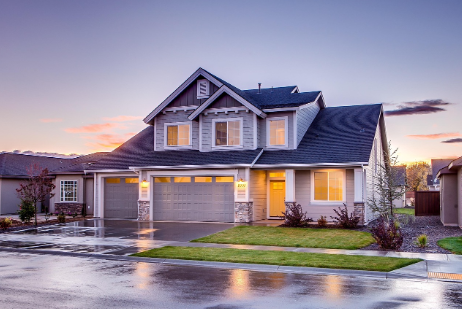
When surveying your driveway options, one of the first things you’ll likely come across is a tarmac driveway.
It’s popular among UK homeowners for a number of reasons.
Cheap to have installed, durable, and quick to have laid.
But before you take the plunge and invest in your new tarmac driveway, there’s a few things you should know.
The Problem
Whilst tarmac driveways are one of the most popular driveway types in the UK, many homeowners aren’t aware of how they work or what they should expect to pay.
They often agree to work with a contractor on blind faith, only to find later down the line that they have been overcharged or misled in some way.
This easy-to-read guide aims to expand your knowledge on all things tarmac.
Here’s what’s covered:
- What Is Tarmac?
- How Much Should It Cost To Tarmac A Driveway?
- The Benefits Of Tarmac Driveways
- Drawbacks Of Tarmac Driveways
- Factors That Affect Cost
What Is A Tarmac Driveway?
First things first — what exactly is tarmac?
Well, tarmac is the common name given to a bitumen-based surfacing material. Formerly known as ‘tarmacadam’, tarmac is mixed together as a hot liquid and poured, smoothed, flattened, and compacted to create a solid black driveway surface.
Technically speaking, most driveway installers these days use asphalt rather than tarmac.
Asphalt tends to be cheaper for driveway companies to get their hands on, and has the exact same properties otherwise. However, you’ll still see “tarmac driveways” referenced online.
Installation usually requires two layers of the material. The first, thicker layer is used to create the majority of the driveway’s structure and strength. The second layer is smoother and is used to give the driveway its polished finish.
Got it. But how much does tarmac cost?
Costs Associated With Tarmac Driveways
This is the million pound question.
How much should a homeowner in the UK expect to pay for a brand new tarmac driveway?
Prices vary somewhat — but on average, you can expect to pay between £70 and £120 per m² for a new tarmac driveway. However, driveways on the lower end of the size scale will typically be more expensive, per m². As the fixed costs associated with the job become a smaller percentage of the total quote.
Using the averages given above, most homeowners looking to get a new driveway should expect to pay around £4,500 for a typical two-car driveway covering 50m².
Speaking to a tarmac driveway specialist about the job in more detail before committing is always recommended. Some areas of the UK will naturally be more expensive than others, and prices can shift significantly if groundwork or existing surfacing need replacing.
Here are a few ballpark prices to give you a rough idea:
- Small driveway: £1,400 – £2,400
- Medium driveway: £3,500 – £6,000
- Large driveway: £5,600 – £9,600+
Remember, if you want things like drainage channels, coloured tarmac, edging etc. this will affect your final total. Expect anywhere between 10–20% more on top.
But enough about the costs. What are the actual benefits of tarmac?
See also: Small Home, Big Style: Space-Saving Design Trends
Pros of Tarmac Driveways
Truth be told, there are plenty of benefits when compared to other driveway surfacing types.
Here are the main ones:
- Cost-effective: Asphalt is one of the cheapest materials you can use to pave your driveway. Don’t forget to factor in installation costs too — you’ll still save money compared to block paving or resin.
- Speed: Professional installers can lay a tarmac driveway in as little as 2–3 days. Speedy compared to block paving which takes much longer.
- Durability: Expect a tarmac driveway to last 15–20 years if you take good care of it. Even longer should you choose to add a sealant every five years.
- Easy to repair: Got an oil stain or patch you’d like sorting? Fixing smaller issues with tarmac is a doddle. A contractor can repair it with little hassle.
- UK weather: Can cope pretty well with the UK’s weather. Again, so long as you allow for proper drainage your driveway should perform well during winter.
Those are pretty big benefits. Are there any downsides?
Cons of Tarmac Driveways
Not many. But they do exist.
Bear the following in mind if tarmac is your chosen driveway surfacing material:
- Soft tar: Rare in the UK but if you do experience a heatwave your driveway may soften. Avoid driving your car/home movers over it when soft.
- Limited design options: Want a red driveway? You’ll have to pay more. Whilst coloured asphalt is possible, your driveway will cost more per m² than standard black tarmac. Choose tarmac if your main aim is saving money.
- Maintenance: Every five years or so you should apply a sealant to your driveway to keep it in tip-top condition. Failure to do so may result in cracks appearing.
- Not DIY-friendly: You cannot lay your own driveway. The machines required to properly tamp down and flatten the asphalt are not affordable for the everyday DIYer.
Cost Factors For Tarmac Driveways
Still unsure why your quote from one company varies so much from another?
It could be down to a number of factors.
Cost will vary depending on:
- Size of driveway. The bigger your driveway the cheaper the cost per m² will be.
- Surbiton. Labour rates fluctuate depending on where in the UK you are.
- Need to rip up the existing surface? An extra £15–£18 per m².
- Drainage? Expect to pay an additional £20–£40 per linear metre.
- Edging. Adding kerbs to your driveway will cost circa £10–£20 per linear metre.
- Coloured asphalt costs between 10–20% more.
As you can see, the condition of your existing driveway will play into how much your new tarmac will cost.
For instance, if your current driveway surface needs to be removed, contractors will need to spend extra time sourcing the material. That equates to more labour hours on your bill.
Like with any service, it’s always advised to gather three quotes from reputable contractors before consenting to work.
Conclusion
Tarmac driveways are a great choice for homeowners all over the UK.
They provide a smooth, durable surface to park your cars on and are perfect for households with small kids due to how easy they are to repair.
If you do decide to go down the tarmac route there are a few things to bear in mind.
Here are the top takeaways from this guide:
- Know how much tarmac driveways should cost in your area.
- Gather three quotes from local contractors.
- Factor in any extra drainage/edging costs at the start.
- Use a specialist installer, not the cheapest guy on Google.