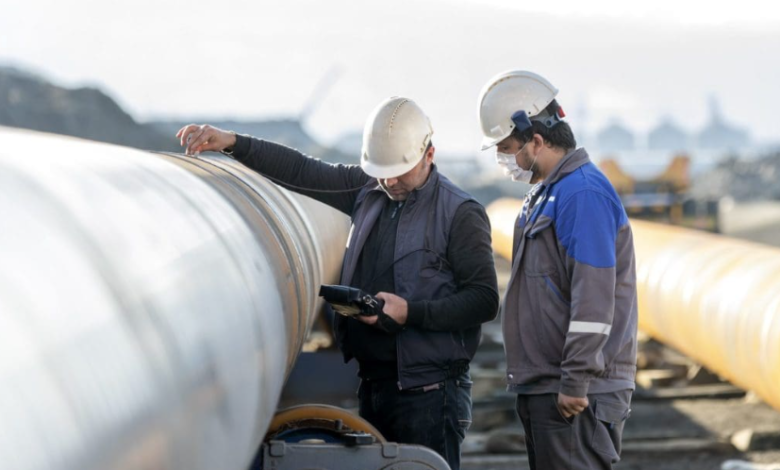
Pipelines are the backbone of oil, gas, and water distribution systems, making early detection and prevention of corrosion absolutely essential. A strong and well-executed Corrosion Risk Assessment helps companies identify potential weaknesses in their pipeline networks before they turn into costly and dangerous leaks. By understanding the factors that contribute to pipeline corrosion and implementing proactive strategies, industries can significantly improve safety, reduce maintenance expenses, and extend pipeline lifespan.
Understanding Pipeline Corrosion
Pipeline corrosion occurs when metal reacts with environmental elements such as moisture, soil chemicals, temperature fluctuations, and internal fluid composition. Over time, this natural process weakens pipeline integrity, creating small pits, cracks, and thinning walls that can lead to pipeline leaks or catastrophic failures.
Factors that commonly contribute to pipeline corrosion include:
- Soil composition and moisture levels
- Internal fluid chemistry
- Coastal or marine exposure
- Mechanical stress on metal surfaces
- Inadequate protective coatings or insulation
Without proper assessment, these issues remain hidden until they escalate.
Why Corrosion Risk Assessment Matters
A structured corrosion assessment provides industries with clear insights into the current and future health of their pipeline systems. It helps companies:
1. Detect Weaknesses Early
Advanced inspection tools such as ultrasonic testing, cathodic protection surveys, smart sensors, and inline inspection devices allow teams to pinpoint corrosion-prone areas long before leaks appear.
2. Reduce Operational Shutdowns
Unexpected pipeline failures can lead to emergency shutdowns, environmental penalties, and production delays. Early identification minimizes disruptions and avoids heavy repair costs.
3. Improve Asset Reliability
By tracking corrosion rates and patterns, companies can make informed decisions about pipeline upgrades, maintenance scheduling, and resource allocation.
4. Ensure Regulatory Compliance
Safety authorities require industries to perform regular assessments to guarantee safe operations. A structured corrosion program keeps companies aligned with environmental and safety regulations.
See also: How Technology Is Changing Workplace Communication
Key Steps in Pipeline Corrosion Risk Assessment
A successful corrosion risk evaluation follows a systematic approach:
1. Data Collection
Information is gathered regarding pipeline age, material, operating conditions, soil environment, and past inspection reports.
2. Field Inspection and Testing
Technicians inspect the pipeline using tools such as:
- Inline inspection smart pigs
- Ultrasonic thickness gauges
- Radiographic imaging
- Soil resistivity and moisture testing
3. Risk Ranking
Each pipeline section is ranked based on corrosion severity, likelihood of failure, and potential impact. This helps prioritize maintenance and repair work.
4. Mitigation Planning
Depending on risk level, companies may apply protective coatings, upgrade cathodic protection systems, adjust operating conditions, or replace high-risk sections.
5. Continuous Monitoring
Real-time sensors and regular audits ensure that corrosion threats remain under control and that preventive strategies stay effective.
Conclusion: Protecting Pipelines Through Proactive Planning
Preventing leaks is far more cost-effective than repairing them after failure. A robust Corrosion Risk Assessment for pipeline systems ensures long-term durability, operational safety, and financial savings. Implementing a comprehensive program strengthens pipeline integrity and supports regulatory compliance. By adopting a strategic approach to Corrosion Risk Assessment in UAE, industries operating across the region can significantly reduce risks and maintain reliable operations. With expert support from Cormat Group, companies can protect their critical pipeline infrastructure and prevent leaks before they happen.