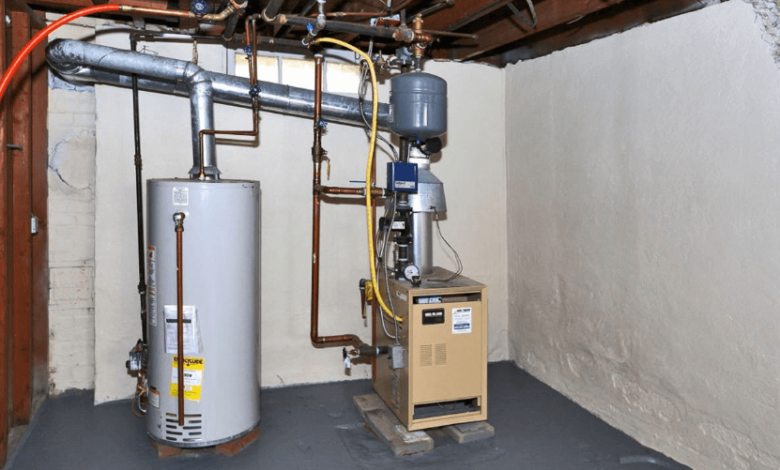
Furnaces and boilers both heat homes but work differently: furnaces heat air and distribute it through ducts, while boilers heat water and circulate it to radiators or floors. This impacts installation costs, efficiency, maintenance, and comfort. Knowing the differences helps you choose the best option for your home and energy needs.
How Furnaces Work
Furnaces operate by heating air directly and then distributing that warm air through a network of ducts and vents. The process begins when your thermostat signals the need for heat. The furnace’s burner ignites (for gas or oil systems) or heating elements activate (for electric systems), warming a heat exchanger. A blower fan then pulls cool air from your home through return ducts, forces it over the heated exchanger, and pushes the warmed air back into your living spaces through supply ducts.
Fuel Options for Furnaces
Modern furnaces can run on several fuel types, each with distinct advantages:
Natural gas furnaces are the most popular choice, offering relatively low operating costs and quick heating. They require a gas line connection and produce combustion byproducts that must be vented outside. For homeowners in Georgia, choosing suppliers that provide the cheapest gas in georgia can further reduce heating expenses.
Oil furnaces work well in areas without natural gas access. While oil typically costs more than gas, these systems often last longer and can heat homes effectively even in extremely cold climates.
Electric furnaces eliminate the need for combustion and venting systems. They’re often less expensive to install but generally cost more to operate due to electricity prices.
Furnace Pros and Cons
Furnaces excel in several areas. They heat homes quickly, making them ideal for families who prefer rapid temperature changes. Installation costs are typically lower, especially if ductwork already exists. Furnaces also work efficiently in moderate climates and offer straightforward maintenance requirements.
However, furnaces have drawbacks. The heated air can feel dry, potentially causing skin irritation and respiratory discomfort. Ductwork can leak, reducing efficiency and allowing dust circulation. Some systems cycle on and off frequently, creating temperature fluctuations throughout your home.
See also: The Intersection of Health and Technology: Advancements in Medical Tech
How Boilers Work
Boilers take a completely different approach to home heating. Instead of warming air, they heat water in a sealed system. This hot water or steam travels through pipes to radiators, baseboard heaters, or radiant floor systems, where it releases heat into your rooms. The cooled water then returns to the boiler to be reheated and recirculated.
This closed-loop system provides consistent, even heating without the air movement associated with forced-air systems. The radiant heat feels more natural and comfortable to many people, similar to warmth from the sun.
Boiler Fuel Options
Like furnaces, boilers can operate on multiple fuel sources:
Gas boilers offer efficient operation and relatively low fuel costs. They require proper venting and regular maintenance to ensure safe operation.
Oil boilers provide excellent heat output and work well in areas without natural gas infrastructure. They require on-site oil storage and regular delivery services.
Electric boilers eliminate combustion concerns and work well for smaller homes or as backup systems. Operating costs tend to be higher due to electricity rates.
Boiler Pros and Cons
Boilers provide several compelling benefits. They deliver consistent, comfortable heat without the drafts or noise associated with forced-air systems. The radiant heating doesn’t circulate dust or allergens, making them excellent for people with respiratory sensitivities. Boilers also tend to be more energy-efficient and have longer lifespans than furnaces.
The downsides include higher upfront installation costs, especially if your home lacks existing radiators or radiant systems. Boilers heat more slowly than furnaces, which some homeowners find inconvenient. Repairs can be more complex and costly, particularly for steam systems.
Key Differences Between Furnaces and Boilers
The heating method represents the most fundamental difference. Furnaces heat and move air, while boilers heat and circulate water. This affects every aspect of system performance and home comfort.
Efficiency varies significantly between the two systems. Modern boilers typically achieve higher efficiency ratings, often exceeding 90%, while furnaces usually range from 80% to 95% efficiency. However, ductwork in furnace systems can lose significant heat through leaks and poor insulation.
Installation costs favor furnaces in homes with existing ductwork. New duct installation can be expensive and sometimes impossible in certain home designs. Boiler systems require radiators or radiant heating elements, which can be costly to install but often integrate better into home aesthetics.
Fuel flexibility exists for both systems, though availability may vary by region. Natural gas typically offers the lowest operating costs where available, while oil provides reliability in rural areas without gas service.
Maintenance and Lifespan Considerations
Furnace maintenance focuses primarily on air filtration and ductwork. Homeowners should replace filters monthly during heavy use seasons and schedule annual professional inspections. Duct cleaning every few years helps maintain air quality and system efficiency. Common issues include blower motor problems, heat exchanger cracks, and thermostat malfunctions. Professional furnace repairs like those in Cottonwood Heights typically address these concerns promptly to restore home comfort.
Boiler maintenance involves different priorities. Annual inspections should include pressure checks, water level monitoring, and system bleeding to remove air bubbles. Radiator bleeding and cleaning help maintain heat distribution efficiency. Steam systems require additional attention to pressure relief valves and water treatment.
Expected lifespans differ between systems. Well-maintained furnaces typically last 15-20 years, while boilers often operate effectively for 20-30 years. Higher-quality components and less mechanical stress contribute to boilers’ longevity advantage.
Choosing the Right System for Your Home
Several factors should influence your heating system decision:
Climate considerations play a major role. Extremely cold regions may benefit from boilers’ consistent heat output, while moderate climates often work well with furnaces’ quick response times.
Home design affects feasibility. Existing ductwork makes furnaces more cost-effective, while homes with adequate space for radiators or radiant systems can accommodate boilers effectively.
Budget constraints include both initial costs and long-term operating expenses. Calculate total ownership costs over 15-20 years, including purchase price, installation, fuel costs, and maintenance expenses.
Personal preferences matter significantly. Some people prefer furnaces’ quick heating and air circulation, while others value boilers’ quiet, consistent warmth and improved air quality.
Energy efficiency goals may favor boilers for their typically higher efficiency ratings, though proper installation and maintenance affect both systems’ performance.
Conclusion
Furnaces provide quick, affordable heating with easy maintenance, while boilers offer efficient, long-lasting comfort. Consulting an HVAC professional can help you choose the best option based on your home’s needs, infrastructure, and budget.