If you are serious about recording your daily life, sooner or later you will start wondering whether your phone is enough or if you should move to a dedicated vlogging camera. The right vlogging camera does more than sharpen the picture. It should feel natural in your hands, fit your routine, and help you tell stories without getting in the way. Instead of chasing the most expensive model or copying what big creators use, it is smarter to look at how and where you actually film, then match those habits to the right features. When you take time to do this, you avoid random upgrades, save money, and end up with a vlogging camera you actually enjoy using day after day.
Understand your real life shooting scenarios
Before looking at specs, think honestly about your daily recording habits. Do you mostly film short clips at home, or are you out in busy streets, cafés and travel spots with a small vlogging camera in your bag? Do you talk to the vlogging camera while walking, or set it on a tripod for sit down videos? The more specific your answers, the easier it becomes to filter options. A studio style creator may want a larger vlogging camera with clean HDMI, reliable power, and room for extra lenses, while a commuter who films between classes might value a pocketable body and simple controls above everything else.
Try to picture one typical week of filming and write it down. How often do you pull the vlogging camera out, for how long, and in what kind of light? If you only record a few minutes at a time, overheating is less of a concern, but fast startup and dependable autofocus matter a lot. If you are often outdoors in bright sun and then step into shaded streets, you will appreciate a vlogging camera that handles changing light smoothly and lets you adjust exposure quickly without digging through confusing on screen menus.
See also: The Intersection of Health and Technology: Advancements in Medical Tech
Image quality and low light performance in a vlogging camera
Once you know your shooting habits, it is time to talk about image quality. Many people only look for 4K on the box, but resolution is just one factor when you choose a vlogging camera. Sensor size, color science, and how the vlogging camera handles noise will often shape your videos more than raw pixel count. A small sensor vlogging camera can still look great if it processes color well and keeps skin tones natural, especially for creators who focus on talking head content rather than dramatic landscapes or action scenes.
If you frequently shoot in the evening or indoors, a vlogging camera with better low light performance will quietly save many clips. Look for models that keep noise under control at higher ISO levels while still preserving details in faces and backgrounds. Good low light ability also lets you use safer shutter speeds and slightly higher frame rates without your footage turning into a noisy mess. Combine this with a fast lens if possible, and you can use your vlogging camera in more places without dragging around complicated lighting.
Stabilization and autofocus you can trust
Shaky video is one of the fastest ways to lose a viewer. If you vlog while walking, climbing stairs, or hopping into public transport, strong stabilization in your vlogging camera becomes crucial. You can use optical stabilization in the lens, in body image stabilization in the vlogging camera, or a combination of both. Digital stabilization can help too, although it often crops the image. What matters most is how stable the footage feels when you watch it back on a normal screen, not just how impressive the marketing terms sound on a spec sheet.
Think about the shots you love in other creators’ videos. Many of them involve simple movements, such as turning a corner, panning across a café, or lifting the vlogging camera from your lap to your face. In each of these moments, good stabilization and quick autofocus work together. The camera keeps the scene smooth, locks onto your eye, and stays there while you talk. When the gear behaves like this, you stop worrying about blur, and you can focus on pacing, story, and how natural your voice feels.
Sound matters more than you think
People will forgive slightly soft video, but harsh, echoing audio makes most viewers leave. This is why the microphone options on your vlogging camera deserve as much attention as resolution and frame rate. Built in mics have improved, yet they still struggle with wind, room echo, and distance from your mouth. When you compare cameras, check whether they offer a standard microphone input, support for digital audio accessories, and a headphone jack for monitoring if you plan to be more precise about your sound.
Think about the places where you usually record. If you film in noisy streets, a vlogging camera that accepts a small shotgun mic can help your voice cut through background noise. If you often move around or show things at a distance, you might prefer to pair the vlogging camera with a wireless lavalier system. Weather sealing and good wind filtering also matter for outdoor vloggers. The right audio setup turns your vlogging camera from a simple video device into a tool that captures the atmosphere and emotion of each scene.
Portability, battery life, and design details in a vlogging camera
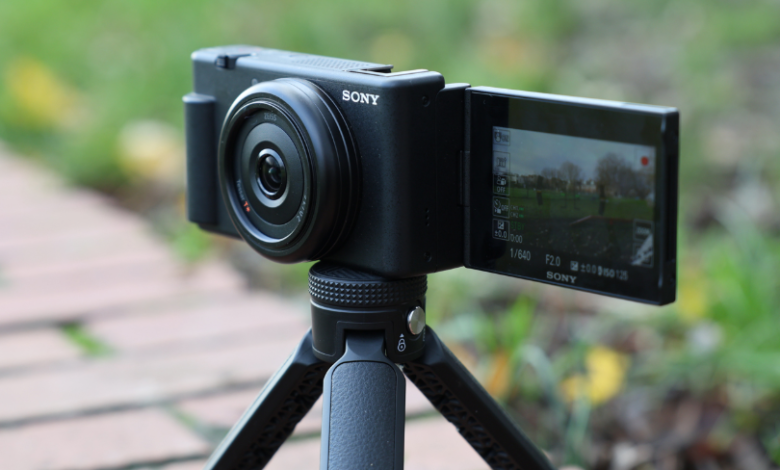
Even the most advanced body will not help if it stays in a drawer. For many creators, the best vlogging camera is the one they actually feel like carrying. Pay attention to weight, size, and grip comfort, especially if you have smaller hands or film for long sessions. A side flip screen is extremely useful for framing yourself, while a clear top or rear record light makes it easy to see when you are rolling. Intuitive menus and customizable buttons save time each time you shoot and reduce the chance of missing moments.
Battery life is another practical point. A vlogging camera that dies after an hour of casual filming will quickly frustrate you. Check real world reports, not just quoted numbers, and see whether the vlogging camera can charge over USB while operating. That small feature can rescue an all day shoot. Storage is similar. Dual card slots, or at least support for fast and common memory cards, make it easier to keep your vlogging camera ready. All these details may seem minor at first, but they decide whether picking up the vlogging camera feels easy or like extra work.
Budget, future growth, and honest expectations
Finally, be realistic about money and how far you want to go with creating. It is tempting to stretch your budget for a premium vlogging camera, but you might gain more by choosing a mid range body and keeping funds for a better lens, spare batteries, or audio gear. Make a simple list of what you truly need now and what you can upgrade later. If you expect to experiment with different looks, a vlogging camera that supports multiple picture profiles and easy connection to editing software will give you more room to grow without forcing an early replacement.
Set your expectations clearly before you buy. No single vlogging camera will solve every problem or instantly make your channel explode, but the right one can remove friction from your process. Look for a vlogging camera that you are excited to use on an ordinary day, not only on special trips. When turning it on, adjusting exposure, and copying files feel quick and natural, you will create more often and with less stress. In the long run, that habit matters far more than chasing the latest body, and it is the real sign that you chose the right vlogging camera for your life.