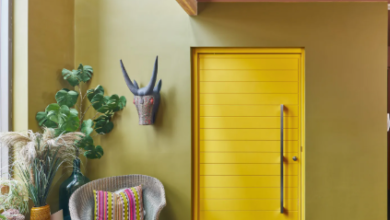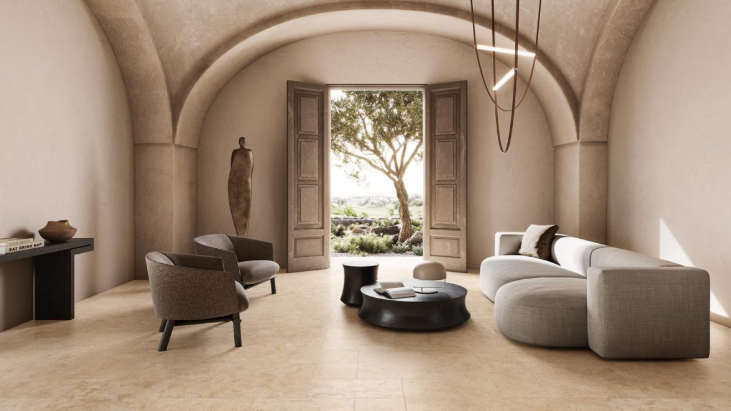
Every house has a story to be told through its surfaces. Walls and floors are not only used for functionality. The use of materials and colours can greatly change the mood of the room. This is where the use of varied tile colours starts to make a huge difference in interior design.
In the initial phases of designing a home renovation, many individuals have come to understand that the use of different tile colours can significantly revitalize a room, add depth, and character without making the room appear cluttered. Whether tonal or contrasting colour schemes, the use of different tile colours has the versatility to fit any design, whether traditional or modern.
Why Colour Variation is Important
Colour has a huge impact on moods as well as space. Using variations of tile colours is one of the ways of ensuring that rooms look three-dimensional. A room that is painted with one colour may seem boring, but tile colour variation is one way of ensuring that depth and warmth are added to the room.
Adding Depth and Interest
Tiles that display natural shade variations can create an effect that resembles natural stone tiles or hand-painted tiles. The different lighting conditions that exist throughout the day create an effect that makes bathroom and kitchen tiles appear to have natural colour variations. Tile colours can be used to create the illusion of texture and movement without the use of other design elements.
Small and Large Spaces
A combination of tile colours with less contrast can be applied to create a brighter look in small spaces. In large spaces, a greater contrast of tile colours can be applied to define areas and emphasize architectural features. The application of the best tile colour combinations for modern interiors gives the homeowner the ability to create a deliberate design look.
See also: Small Home, Big Style: Space-Saving Design Trends
Which Rooms to Use Varied Tile Colours In
The flexibility of tile colour variation makes it an appropriate design feature for every room in the home.
Kitchens
The kitchen splashback can also be made a point of focus through the use of colour transitions. The use of soft pastels or light blue colours can be a good way to give the kitchen some personality. To give the kitchen a timeless look, some people like to use Victorian inspired patterned floor tiles and more minimalist wall decorations.
Bathrooms
Bathrooms can also be enhanced by incorporating colour transitions. The use of soft greys and cream colours can be a fantastic way to incorporate a spa-like look. Focal points or shower walls can be used to incorporate new ways of mixing tile colours in bathrooms.
Hallways and Entryways
The entrance area is the place where you can show your bold and courageous side. Patterned or multi-coloured floors can be a wonderful way to greet your guests with some style. The fusion of traditional designs and modern colour patterns results in a well-balanced design that incorporates both modernism and traditionalism.
Conclusion
The use of colours enables people to design customised areas that exude warmth and distinctive character. Homeowners can achieve equilibrium and visual complexity through the selection of various tile colours, which establish eternal design elements. Your home search begins at Hyperion Tiles, where you will discover your ideal product match.
FAQs
Are different tile colours appropriate for small rooms?
Yes, light blended colours can also be of great help in making small rooms appear larger and brighter.
Are varied tile colours suitable for modern homes?
Definitely. Varied tile colours add to the beauty of modern homes.
How can I select the appropriate combination of tile colours?
The appropriate combination of tile colours can be selected by taking samples in natural lighting conditions.
Can I combine patterned tiles with basic tiles to create different looks
The combination of patterned tiles for flooring and basic tiles for wall installation will establish equilibrium and visual harmony.
Are colour-varied tiles really difficult to clean?
High-quality ceramic and porcelain tiles are very easy to clean.