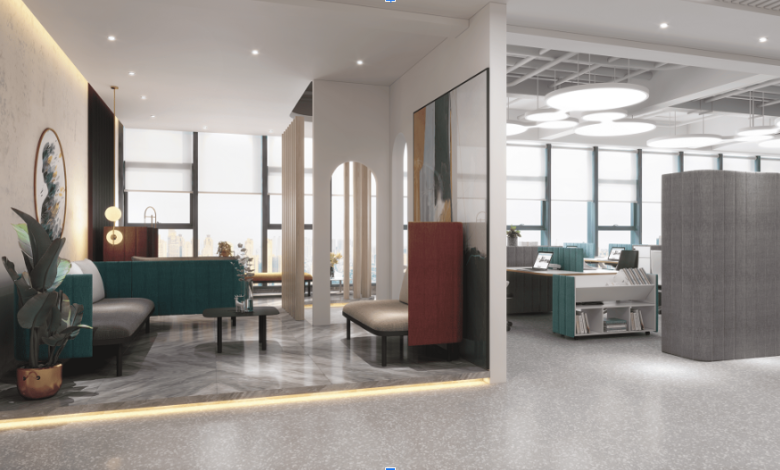
Imagine walking into a high-end tailor shop. You wouldn’t expect the tailor to hand you a pre-packaged suit off a dusty shelf and say, “This fits everyone, so it will fit you.” You expect measurements, fabric selection, and adjustments that account for your unique posture and style. Why, then, do so many businesses settle for the “one-size-fits-all” approach when it comes to their most important asset their workspace?
In an era where company culture and employee wellbeing are paramount, the cookie-cutter office is rapidly becoming obsolete. Forward-thinking organizations are realizing that their physical environment must be as unique as their business DNA. This realization has propelled the industry leaders, such as the Meet&Co champion a new era of workplace design: one where furniture is not just bought, but co-created to solve specific business challenges.
The Death of the “Cookie-Cutter” Office
For decades, the corporate world was dominated by standardization. Rows of identical beige cubicles and heavy mahogany conference tables were the norm, regardless of whether the company was a creative ad agency or a rigid accounting firm. However, the modern workforce has rejected this uniformity.
Today’s businesses face unique challenges. High rent prices demand space optimization; hybrid work models require flexibility; and a competitive talent market necessitates an office that inspires. Off-the-shelf solutions simply cannot address these nuances. When a business purchases standard catalogue furniture, they are often forcing their teams to adapt to the furniture, rather than having the furniture adapt to the team. This misalignment leads to wasted square footage, reduced productivity, and a generic brand experience. The solution lies in customization—a strategic shift from consuming products to curating environments.
What Does “Custom Manufacturing” Actually Entail?
Many business owners mistakenly believe that “custom” is synonymous with “expensive” or “decorative.” While aesthetics are a part of it, true custom manufacturing is fundamentally about function and problem-solving.
Partnering with a custom manufacturer means you are not limited to the dimensions listed in a catalogue. It involves modifying the height of workstations to fit specific ergonomic needs, altering the shape of conference tables to fit an irregularly shaped room, or integrating specific technology ports directly into lounge seating. It means selecting surface materials that resist the specific wear-and-tear of your industry, whether that’s a chemical-resistant lab surface or a stain-resistant velvet for a high-traffic hotel lobby. Custom manufacturing is the process of engineering furniture that performs a specific job for a specific group of people.
The Strategic Advantage of Direct Partnership
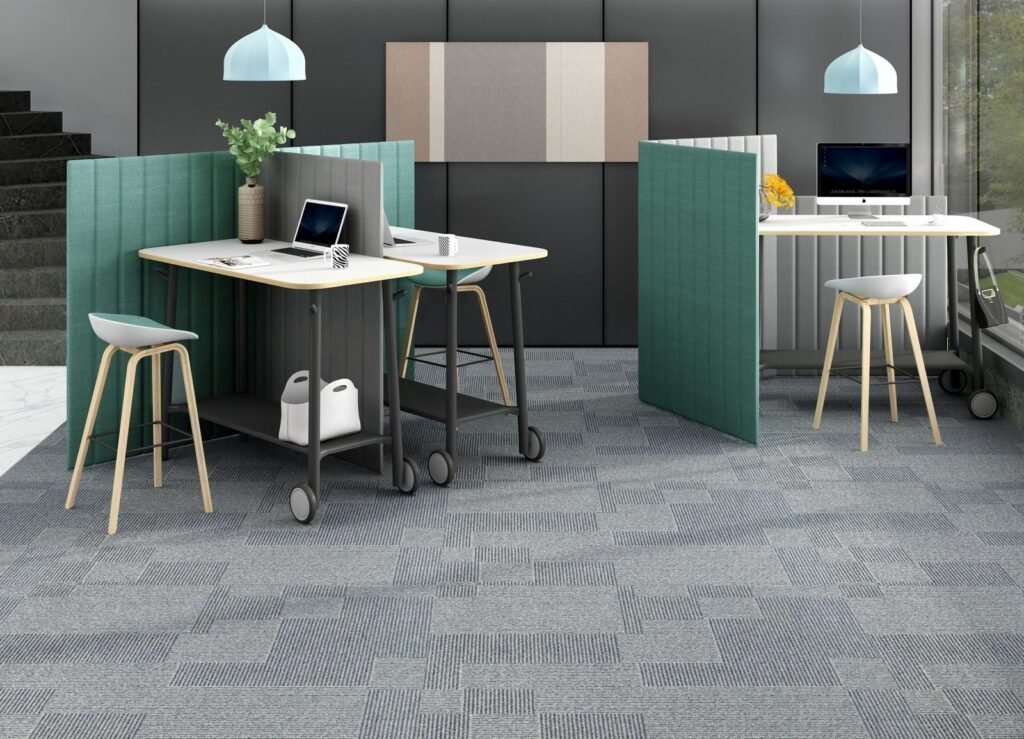
Collaborating directly with a manufacturer offers a distinct competitive edge over purchasing through third-party retailers. Retailers are often limited by stock availability and rigid product lines. A manufacturer, however, possesses the raw capabilities to alter production lines to suit client needs.
This direct relationship fosters a feedback loop where design intent meets engineering reality. When an architect or facility manager can speak directly to the source, the margin for error decreases while the potential for innovation skyrockets. A dedicated partner can prototype solutions, test materials, and ensure that the final installation is seamless. Choosing a specialized Meet&Co custom office furniture manufacturer allows a business to leverage decades of production expertise, ensuring that the transition from a 2D blueprint to a 3D reality is executed with precision and structural integrity.
See also: A Complete Guide to Selling a Home with Tenants and Keeping the Process Stress-Free
Translating Brand Identity into Physical Space
Your office is the body language of your organization. When a client walks through your doors, the furniture is often the first thing they interact with. Does it say “traditional and secure,” or does it say “innovative and agile”?
Custom furniture allows a company to physically manifest its brand identity. This goes beyond simply matching the fabric color to the company logo. It involves capturing the “vibe” of the culture. A tech startup might require industrial-style, raw-steel collaborative benches that encourage rapid ideation. A wellness brand might need curved, organic shapes using sustainable bamboo and soft earth tones to promote tranquility. Customization allows you to embed your values into the very infrastructure of the room, creating an immersive experience that reinforces the company mission every day.
Integrating Technology and Modern Aesthetics
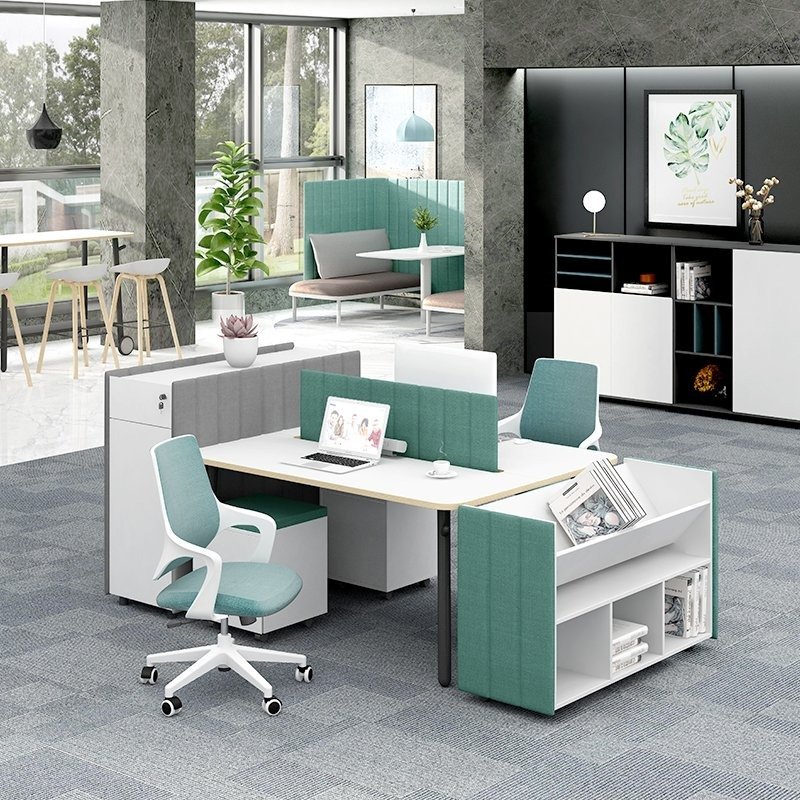
We live in a digital-first world, yet many standard furniture designs are stuck in the analog past. We have all experienced the frustration of crawling under a conference table to find an outlet or dealing with a nest of unsightly cables on a surface. Bespoke manufacturing solves this by integrating technology directly into the furniture design.
This can include invisible wireless charging pads embedded in reception desks, cable management spines hidden within the legs of a modern office desk, or pop-up monitors in executive boardrooms. Modern office furniture must be more than just beautiful; it must be a functional platform for technology, seamlessly blending the digital tools we use with the physical support we need.
Solving the Puzzle: Optimizing Unique Floor Plans
Commercial real estate is expensive, and often, the available spaces are far from perfect. Support columns, angled walls, and low ceilings can make furnishing a space with standard rectangular desks a nightmare. Standard furniture often leaves “dead zones”—unusable gaps between the furniture and the architecture.
Custom furniture acts as the perfect puzzle piece. A manufacturer can design a workstation that wraps perfectly around a structural pillar, turning an obstacle into a feature. They can create banquette seating that fits exactly into a bay window or build storage walls that maximize vertical space in a room with a small footprint. By customizing dimensions to the inch, businesses can recapture distinct amounts of square footage that would otherwise be wasted, effectively lowering the cost per usable square foot.
Ergonomics: Designing for the Individual
The “average” person is a statistical myth. Employees come in all shapes, sizes, and physical abilities. Standard furniture, built to the 50th percentile, often fails the people at the margins, leading to discomfort and potential injury.
A custom approach allows for a more inclusive and ergonomic environment. This might involve creating sit-stand desks with wider ranges of motion, selecting chair mechanisms that support specific back conditions, or designing collaboration tables that are wheelchair accessible without looking “medical.” When employees are physically comfortable, their cognitive performance improves. Custom furniture demonstrates a tangible investment in staff well-being, which is a powerful tool for retention and satisfaction.
Sustainability and Material Control
In today’s climate-conscious market, sustainability is a key performance indicator. When buying mass-produced furniture, you often have little say in the supply chain. You may not know where the wood was harvested or what chemicals are in the finish.
Partnering with a custom manufacturer gives you control over the “ingredients” of your workspace. You can specify FSC-certified woods, recycled metals, or fabrics made from upcycled ocean plastics. You can request low-VOC (Volatile Organic Compound) finishes to ensure better indoor air quality. This level of transparency is essential for companies seeking green building certifications like LEED or WELL. It allows the business to align its procurement strategy with its environmental, social, and governance (ESG) goals.
The Collaborative Process: From Sketch to Reality
The journey of creating a tailor-made workspace is a collaborative partnership. It usually begins with a consultation where the manufacturer listens to the “pain points” of the current office. This is followed by a design phase, involving 3D renders and material swatches.
Unlike the “add to cart” experience, this process is iterative. The manufacturer might suggest that a certain material is too heavy for a specific application or propose a more cost-effective way to achieve a desired look. This dialogue ensures that the final product is not only beautiful but durable and functional. It is a relationship that extends through installation and into after-care, providing a level of service that big-box retailers cannot match.
Conclusion: Investing in the Future of Work
The office is no longer just a container for people; it is a tool for success. As the nature of work continues to evolve, the static, rigid furniture of the past serves as an anchor holding businesses back. Tailor-made workspaces, created in partnership with a capable custom manufacturer, offer the flexibility, identity, and functionality required to thrive. It is an investment that pays dividends in employee happiness, brand prestige, and operational efficiency. By choosing to customize, businesses are not just buying furniture; they are building a foundation for their future.